
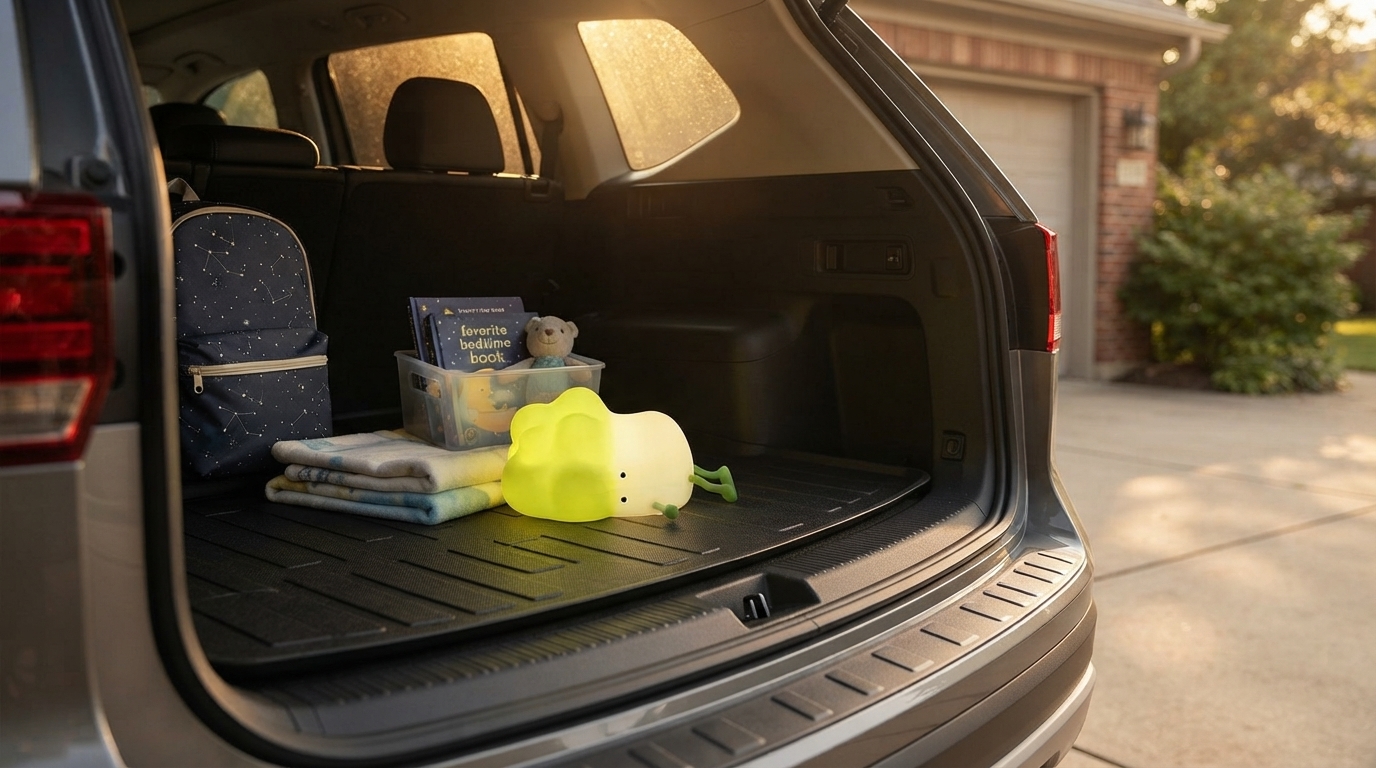
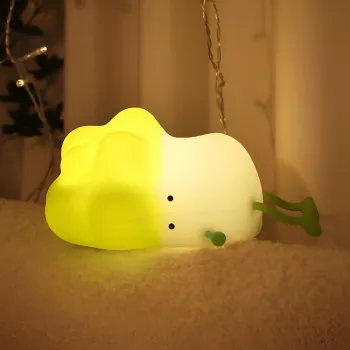
Yes, a night light can be a perfectly reasonable choice for a 7-year-old—especially if it helps them feel secure, find the bathroom safely, or settle after a bad dream. At this age, many kids are growing more independent at bedtime, but it’s still common to have occasional fears (dark rooms, shadows, storms) or nighttime wake-ups. A small, dim light can support confidence without disrupting sleep when it’s used the right way.
A night light may be useful if your child:
• Wakes up and feels disoriented or scared in the dark
• Needs a clear path to the bathroom or hallway
• Shares a room and gets up earlier than a sibling
• Is adjusting to a new home, room, bedtime routine, or recent stress
For some kids, the light becomes a “bridge” tool—comforting now, but easy to fade out later as they feel more secure.
Too much light at night can make it harder to fall asleep or stay asleep, especially if it’s bright, blue-toned, or placed where it shines directly into the child’s eyes. If your child is taking a long time to drift off, waking more often, or asking for extra lights, the night light may be too intense—or may be reinforcing worry rather than easing it.
Pick a very dim, warm-colored (amber/red) light and keep it low to the ground to illuminate the floor, not the bed. Avoid color-changing modes, bright LEDs, or screens. A plug-in night light with a dusk-to-dawn sensor or a timer can prevent it from staying on all night. If the goal is confidence, consider gradually reducing brightness or moving it farther from the bed over time.
For a deeper look at night lights, bedtime fears, and practical tips, see the full guide here: https://fashiongrotto.com/should-a-year-old-have-a-night-light/.
Warm colors like amber or red are usually best because they’re less likely to interfere with melatonin and feel soothing at night. Keep it dim and avoid blue or bright white light.










Leave a comment