
Packing light gets easier when decisions are made once and reused. A minimalist approach focuses on versatile pieces, small toiletries, and a repeatable checklist that fits carry-on limits without sacrificing comfort. This digital packing planner is designed to turn “What am I forgetting?” into a calm, quick routine—before a weekend city break, a work trip, or a longer itinerary with laundry stops.
Minimalist packing isn’t about going without—it’s about reducing friction while keeping the items that carry the most value per square inch.
A good planner does more than list “shirts and socks.” It makes your choices intentional—based on the trip you’re actually taking.
Decide your bag size first, then work backward: airline limits, weather range, and how often you’re willing to repeat outfits. Constraints are the “guardrails” that keep packing from expanding to fill every available inch.
Pick a tight color palette (for example: black/white/denim with one accent) and choose 1–2 “hero” items that can carry multiple looks—like a jacket that works day-to-night or a top that can be dressed up with accessories.
Instead of packing bulky backups, rely on layers: a base layer, a mid layer, and a shell. This handles temperature swings—from cold planes to warm afternoons—without requiring multiple heavy outerwear pieces.
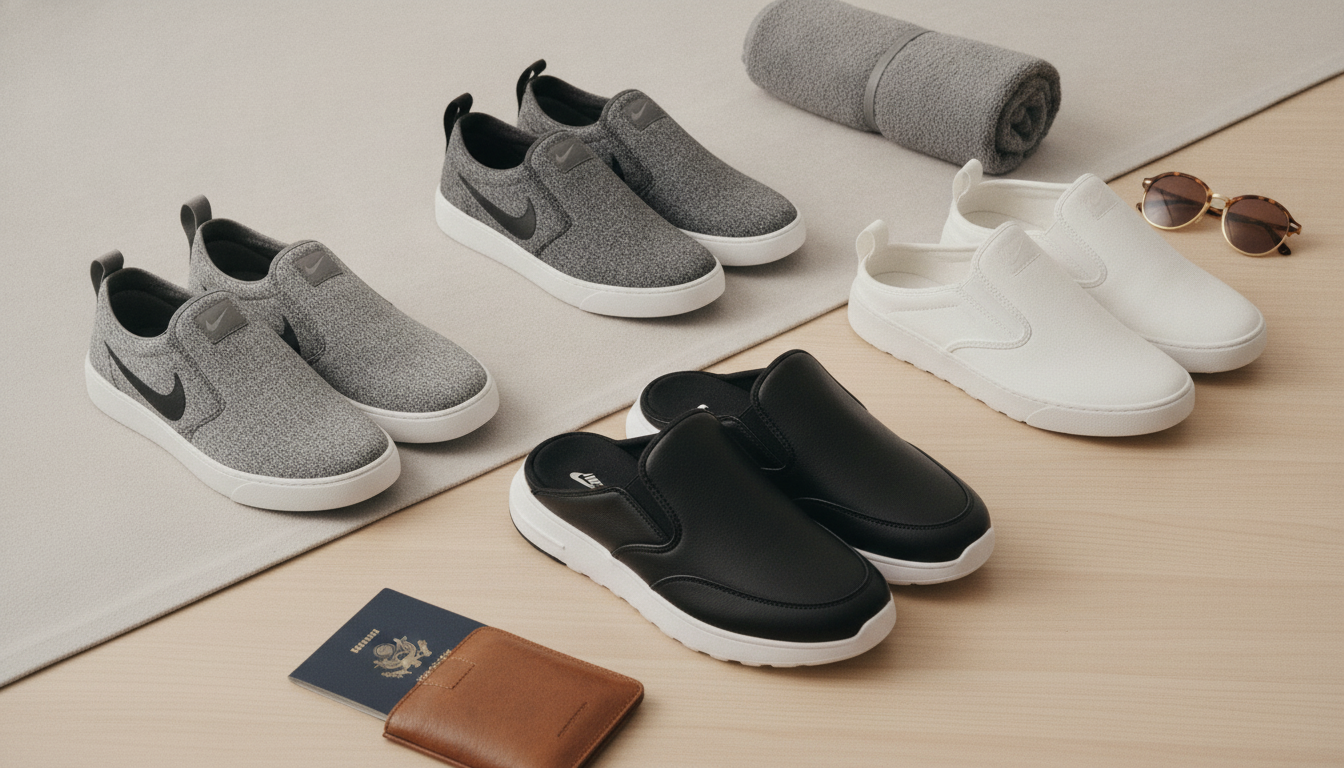
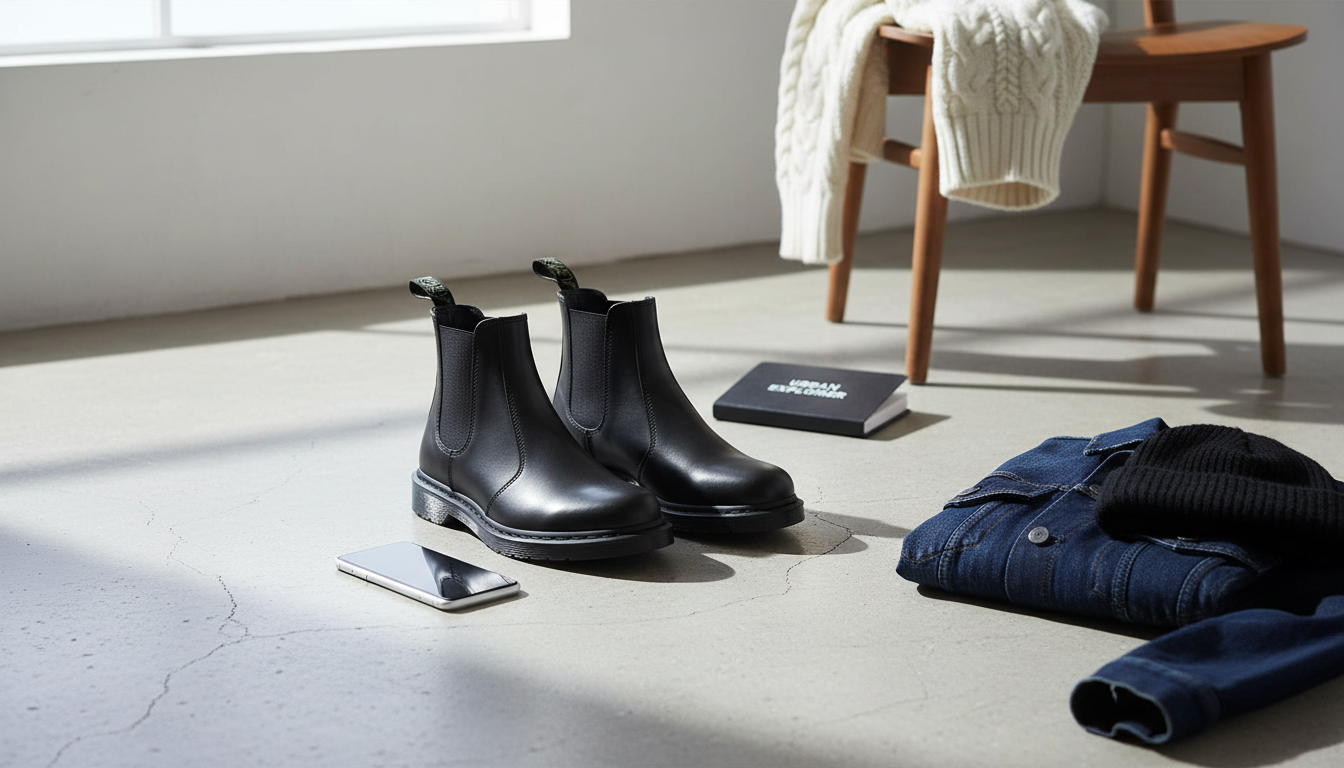
Start with the shoe you’ll walk in most. Add a second pair only if it changes function (formal, trail, or water). Shoes are the fastest way to break a “carry-on only” plan.
Use refillable containers and multi-use products when possible, and keep liquids aligned with the TSA 3-1-1 rule for carry-ons (details here: Transportation Security Administration (TSA) — Liquids Rule).
| Category | 2–3 days (weekend) | 4–7 days (with laundry once) | 7–14 days (regular laundry) |
|---|---|---|---|
| Tops | 2–3 | 4–5 | 5–7 |
| Bottoms | 1–2 | 2 | 2–3 |
| Layers (sweater/jacket) | 1 | 1–2 | 2 |
| Shoes | 1–2 | 2 | 2 |
| Underwear/socks | 3–4 | 5–7 | 7–10 (or plan laundry) |
| Sleepwear | 1 | 1 | 1–2 |
| Outfit “wildcard” (dress/activewear/nice top) | 0–1 | 1 | 1–2 |
Plan for 4–5 tops, 2 bottoms, and 1–2 layers, then repeat and remix. With one quick laundry cycle (or a simple sink wash), that range comfortably covers a week without overstuffing your bag.
Start with extra shoes, duplicate toiletries, and redundant tops. Next, remove bulky “backup” pieces and replace them with one versatile layer that works across temperatures and settings.
Yes—use templates by trip type, then adjust with a climate layer system and a small set of scenario add-ons (formal dinner, hiking, swim). The structure stays the same while the checklist flexes to match weather and expectations.







Leave a comment