
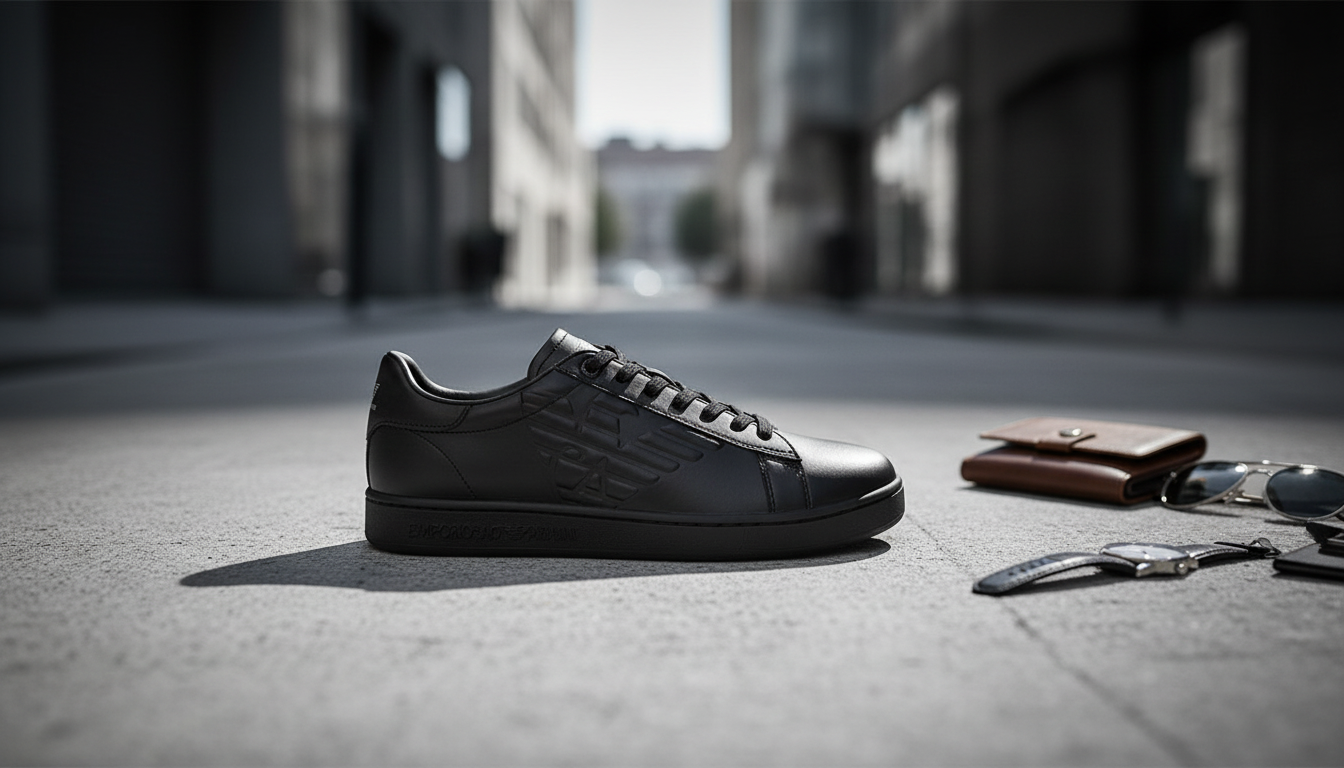
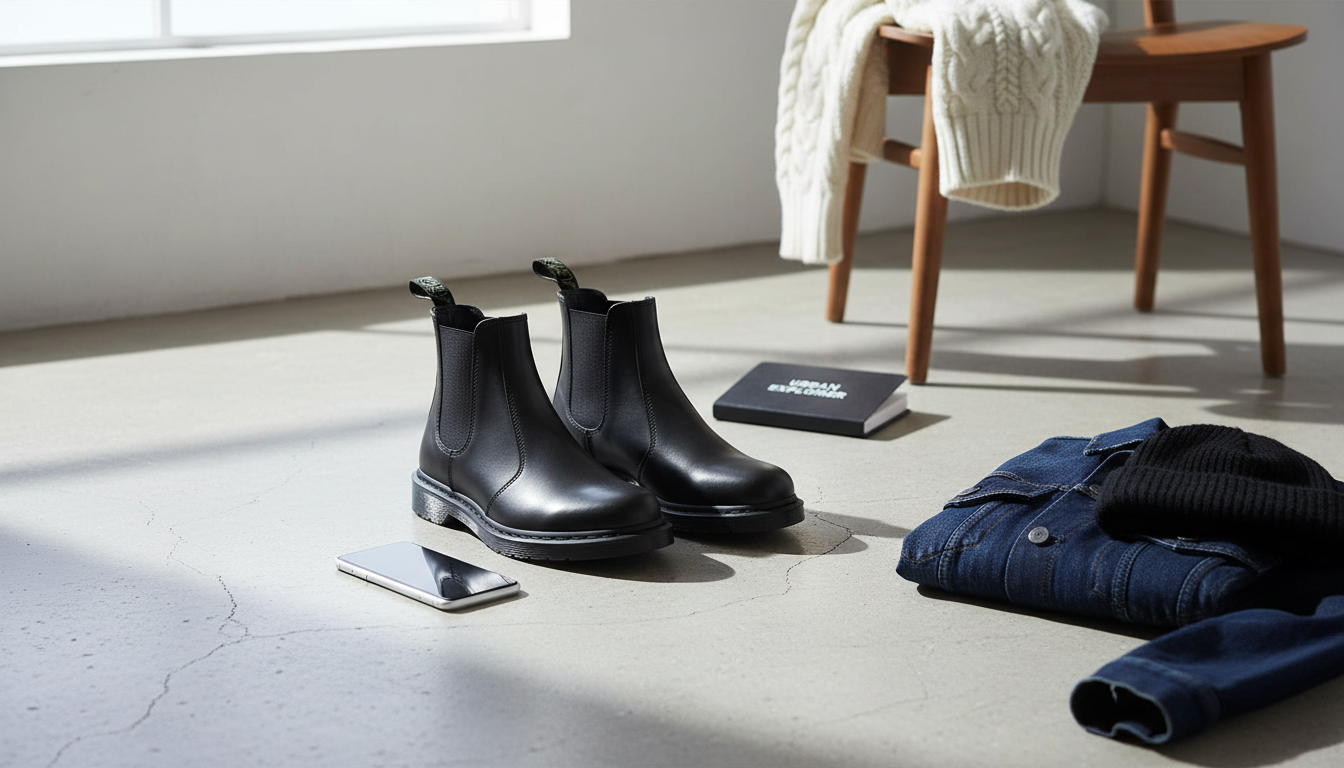
EA7 men’s leather sneakers bring a clean, contemporary finish to a wardrobe staple: the low-profile black sneaker. Leather uppers are known for holding their shape, looking sharper than many textiles, and aging in a way that can still feel polished with the right maintenance. Below is a practical guide to what stands out about this pair, how leather fit typically behaves, easy outfit formulas, and how to keep black leather looking crisp season after season.
| Detail | What it means for daily wear |
|---|---|
| Upper material: Leather | More structure and longevity than many textiles; benefits from conditioning |
| Color: Black | Pairs easily with denim, chinos, and monochrome outfits; scuffs can be polished out |
| Use case | Everyday walking, commuting, casual outings, smart-casual looks |
| Care level | Moderate: wipe-downs, occasional conditioning, weather protection |
| Price | $153.33 USD |
Leather uppers typically keep a cleaner silhouette than canvas or knit, especially in black. Instead of fraying, leather usually shows wear as creasing—often along the toe box and flex points—so the sneaker can still look intentional even after regular use. That said, details matter: seams, panel joins, and edge finishing are the areas that reveal how well a leather sneaker is made over time.
Black leather is also honest about the environment. Dust can dull the finish, and in winter climates, salt marks can show up quickly. A quick wipe after wear goes a long way. If you’re new to leather sneakers, expect a slightly firmer feel at first; many pairs become more comfortable as the upper softens and molds subtly to your foot.
For broader leather and footwear best practices, guidance from the American Podiatric Medical Association (APMA) can help frame what to look for in everyday shoes, and the Leather Working Group offers useful context on leather standards and responsible sourcing.
Leather tends to break in gently rather than “stretching out” dramatically. The goal is a fit that feels secure without pinching. If the toe box feels uncomfortably tight in length, sizing up is usually the better move—length doesn’t change much with wear.
Compared with very flexible knit sneakers, a leather upper can feel more stable side-to-side—helpful when you’re on your feet, commuting, or moving through a long day in the city. Comfort still comes down to cushioning and how the insole matches your foot shape. If you want to personalize the feel, a supportive insole can be an easy upgrade, especially for extended walking.
For long wear days, focus on three practical factors:
Rotation helps, too. Giving leather sneakers a day to air out can reduce odor buildup and helps the materials rebound between wears.
Black leather sneakers are a reliable bridge between casual and polished. The key is keeping the rest of the outfit aligned with the sneaker’s clean finish—either by sharpening your silhouette or intentionally contrasting it with relaxed layers.
| Occasion | Pair with | Why it works |
|---|---|---|
| Weekend casual | Loose-fit denim jacket + jeans | Balances the sleek sneaker with relaxed layers |
| City smart-casual | Chinos + plain tee or polo | Clean lines match the refined leather finish |
| Travel day | Dark jeans + light top | Practical, hides scuffs, stays polished-looking |
Leather usually softens and molds slightly to the foot, but it doesn’t expand dramatically. If the length feels short or the toe box is truly tight, sizing up is typically better than hoping it will “stretch out.”
Start with a damp cloth to remove surface dirt, then use a small amount of black leather cream or polish and buff gently. Test products on a less visible area first and avoid harsh household cleaners that can strip the finish.
They can be, especially with a secure heel fit and enough room in the toe box. For longer days, breathable socks and a supportive insole can noticeably improve comfort.






Leave a comment