A foldable electric dryer is a practical backup when line-drying isn’t possible—ideal for apartments, dorms, RVs, business trips, and rainy-day laundry. It’s designed to dry a small batch efficiently, especially when you need clean essentials fast or want to avoid that lingering “damp” phase that can lead to musty odors. Below is a clear guide to what it does best, how to use it safely, what to dry (and avoid), and how to get faster, more even results.
What a portable foldable electric dryer is best for
- Quick drying for small loads: socks, underwear, T-shirts, workout gear, baby clothes, and light towels.
- Helping clothes finish drying after air-drying: great for getting rid of that last bit of dampness in seams and waistbands.
- Emergency drying: when weather, shared laundry rooms, or tight schedules get in the way.
- Travel and temporary living: hotels, dorm rooms, RVs, and short-term rentals where you can’t rely on a full laundry setup.
- Not a full replacement for a large tumble dryer: bulky bedding, thick hoodies, or heavy denim can overwhelm airflow and take much longer.
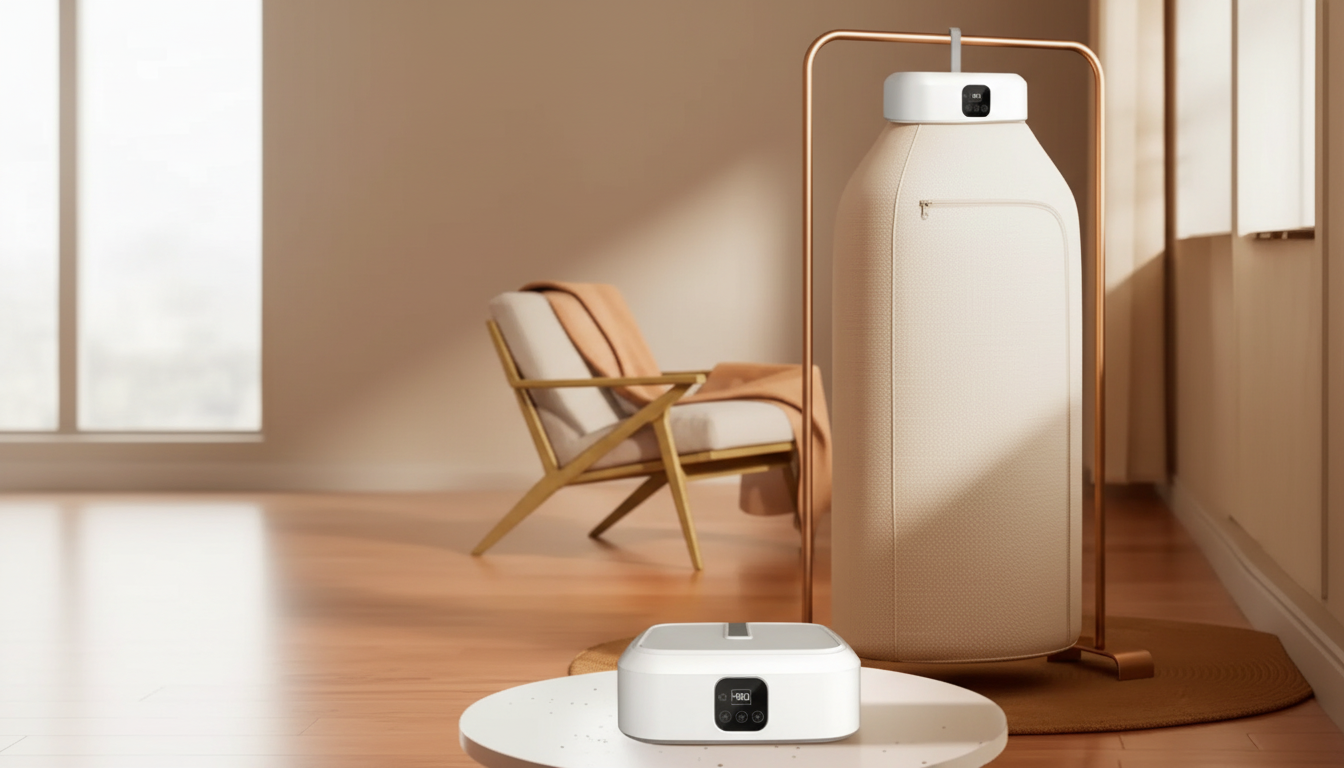
A compact unit like the Mini Portable Foldable Electric Dryer is built for convenience: it stores easily, sets up quickly, and helps you manage laundry in tight spaces without committing to a full-size appliance.
- Compact, stowable design: folds down for closets, shelves, or a suitcase-friendly footprint.
- Apartment- and dorm-friendly: useful where vented dryers aren’t allowed or practical.
- Helps reduce damp odors: drying items promptly after washing limits the “wet fabric” time that can cause smell buildup.
- Gentler handling: no aggressive tumbling—when used correctly with lightweight fabrics and good spacing.
- Best with smaller batches: airflow around each item matters more than stuffing in “one more shirt.”
Quick comparison: when a foldable dryer helps most
| Situation |
Recommended approach |
Why it works |
| Overnight drying in a small room |
Dry small items in batches; leave space between garments |
Improves airflow and helps heat distribute evenly |
| Rainy-day laundry with no balcony |
Use the dryer after a brief drip-dry on hangers |
Less excess water means faster drying and less humidity |
| Travel washing in a sink |
Wring, towel-press, then dry light items only |
Reduces energy/time and helps prevent musty smells |
| Delicates and activewear |
Use lower heat if available; avoid overcrowding |
Protects elastic fibers and reduces shrink risk |
How to use it for faster, more even drying
- Prep the load: a washer spin cycle is ideal. If not, towel-roll and press garments to remove as much water as possible before drying.
- Sort by fabric weight: dry similar thickness together—light cottons together, performance tees together, and keep heavier pieces separate.
- Avoid overcrowding: leave gaps so air circulates around sleeves, waistbands, and seams (the slowest-drying zones).
- Position for airflow: keep the unit in an open area; avoid wedging it into a tight corner or sealed closet unless the design specifically supports that.
- Rotate mid-cycle: swap the position of thicker edges (collars, waistbands, cuffs) so you don’t end up with random damp patches.
- Finish check where it matters: pinch seams and waistbands—if those are dry, the rest usually is too. Store only when fully dry.
If you’re drying lightweight pieces like a performance top or gym shirt (for example, something similar to the Nike Women’s Sleeveless Black Print Top with Round Neck), spacing and pre-pressing are the difference between “dry enough to wear” and “still damp at the hem.”
Fabric and item guide: what to dry (and what to avoid)
- Works well for: underwear, socks, T-shirts, blouses, gym wear, lightweight pajamas, baby clothes.
- Use caution with: wool, silk, garments labeled “dry flat,” and items with glued trims—always follow the care label first.
- Avoid in one crowded batch: soaked heavy denim, thick hoodies, large towels, and bedding that blocks airflow.
- Watch heat-sensitive blends: spandex and some performance fabrics can degrade if exposed to too much heat for too long.
- Dye transfer risk: if a darker item might bleed (new denim, saturated colors), dry it separately.
For heavier outerwear—like a denim layer similar to the Men’s Casual Streetwear Denim Jacket – Loose Fit Hip Hop Style—expect longer dry times and focus on partial drying or spot-drying (collar, cuffs) rather than trying to fully dry a soaked jacket in one go.
Safety, placement, and power tips
For broader guidance on efficient and safe drying practices, see the U.S. Department of Energy’s overview of clothes dryers and electrical safety resources from the NFPA and the Consumer Product Safety Commission (CPSC).
Real-life setups: small-space laundry routines that work
Care and maintenance for consistent performance
FAQ
How long does a portable foldable electric dryer take to dry clothes?
Drying time varies by fabric thickness, how much water you removed first, room humidity, and how crowded the load is. Lightweight items can dry in roughly 30–90 minutes, while thicker seams and waistbands often take longer; towel-pressing and small batches speed things up the most.
Can it dry jeans, hoodies, or towels?
It can, but heavy items usually take much longer and may dry unevenly if they block airflow. For best results, partially air-dry first or dry one heavier piece at a time, and reserve the portable dryer for lighter garments when you need predictable, faster turnaround.
Is it safe to use in a bedroom or hotel room?
It can be safe when placed on a stable, dry surface with clear space around it, away from water sources and flammable clutter. Plug directly into a proper outlet, keep vents unobstructed, and don’t leave it running unattended—unplug and cool it down before folding or storing.
Recommended for you







Leave a comment