
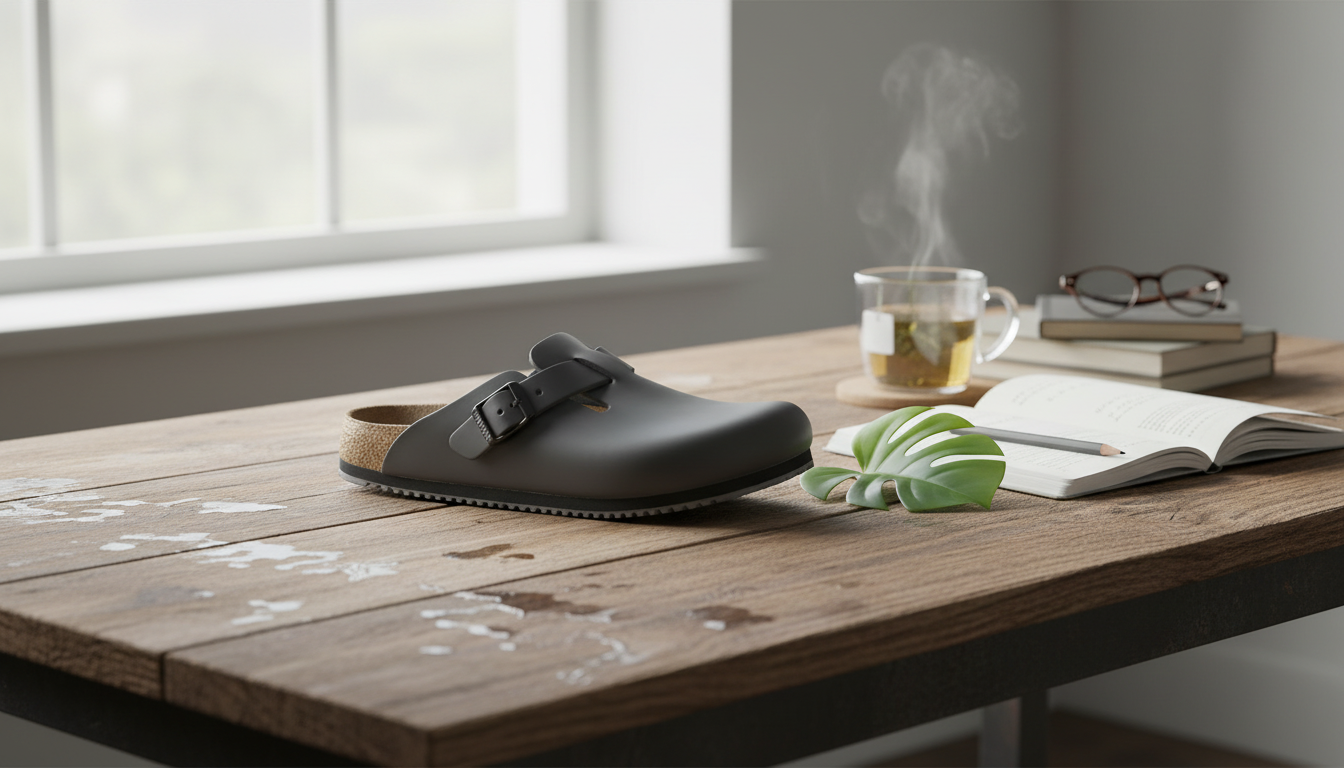
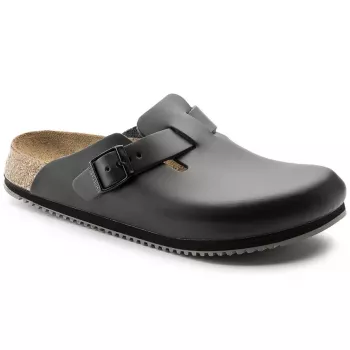
Black leather sandals with a supportive footbed can carry a warm-weather wardrobe from casual errands to travel days with minimal fuss. A well-built pair earns its keep by feeling stable underfoot, staying comfortable over long stretches of walking, and looking pulled-together with everything from denim to dresses. Below is what to expect from leather uppers and cork-latex footbeds, how to dial in fit, and how to keep black leather looking sharp over time. For more guidance, see Birkenstock Sandals Tobacco Leather Birkenstock Women’s ….
If you’re shopping right now, start with the core option: Birkenstock Women’s Black Leather Sandals. For a streamlined warm-weather outfit, pair them with the Nike Women’s Sleeveless Black Print Top with Round Neck and keep essentials close in the Michael Kors Jet Set Travel Pebbled Leather Wristlet Wallet.
| Feature | Why it matters | Good to know |
|---|---|---|
| Leather upper | Durability and a polished look | Conditions and wear patterns improve with proper care |
| Contoured footbed | Arch support and weight distribution | Comfort improves as the footbed molds to the foot |
| Adjustable straps | Dialed-in fit and reduced slipping | Re-check strap tension after the first few wears |
| Black colorway | Easy styling across seasons | Use color-safe leather care products to avoid fading |
The difference between “good sandals” and “can’t-stop-wearing-them sandals” is usually fit. Supportive footbeds work best when your foot sits where the design intends—especially at the heel cup and along the arch.
A helpful self-check: when you walk, you shouldn’t feel like you’re “gripping” with your toes to keep the sandal on. If you are, the straps may be too loose, or the size may be slightly off. After the first few wears, it’s normal to tweak the straps again as the materials relax and your foot settles into the footbed.
Leather is naturally durable, but it looks best when it’s kept clean and conditioned. (For a quick overview of leather as a material, see Britannica’s leather guide.) Black leather, in particular, benefits from gentle care to maintain a rich, even finish.
If you’re dealing with shine loss or light scuffing, less is more: a careful wipe-down followed by a small amount of color-safe conditioner often restores that clean black look without creating buildup.
For a deeper look at how contoured footbeds are designed to support the foot, Birkenstock’s own overview is a useful reference: Birkenstock – Footbed Information.
Black leather is the rare warm-weather finish that can look crisp at brunch and still feel practical on a long walking day. The key is balancing the sandal’s structured vibe with breathable, easy layers.
For an easy, coordinated palette, black sandals play well with tonal separates—like a black sleeveless top—and add contrast to light linen, white denim, and chambray. If you prefer a more “city” feel, lean into sleek accessories and keep hardware minimal.
If you’re comparing options, it’s worth noting that footwear recognized by organizations like the American Podiatric Medical Association (APMA) Seal of Acceptance program is evaluated against specific criteria—another reason supportive construction and fit precision matter when you’re on your feet for hours at a time.
Most people notice improvement after a few wears, with a more complete break-in often taking one to two weeks of regular use. Start with short wear sessions and gradually increase time so the footbed can mold comfortably to your foot.
Wipe them with a soft, slightly damp cloth and avoid soaking the leather. Use a color-safe leather conditioner sparingly (spot-test first), and let them air-dry away from direct sun or heat to protect the black finish.
Straps should feel secure but not restrictive: your heel should sit back in the heel cup without sliding, and your toes shouldn’t need to grip. Re-adjust after the first few wears because straps and uppers can relax slightly with use.







Leave a comment