
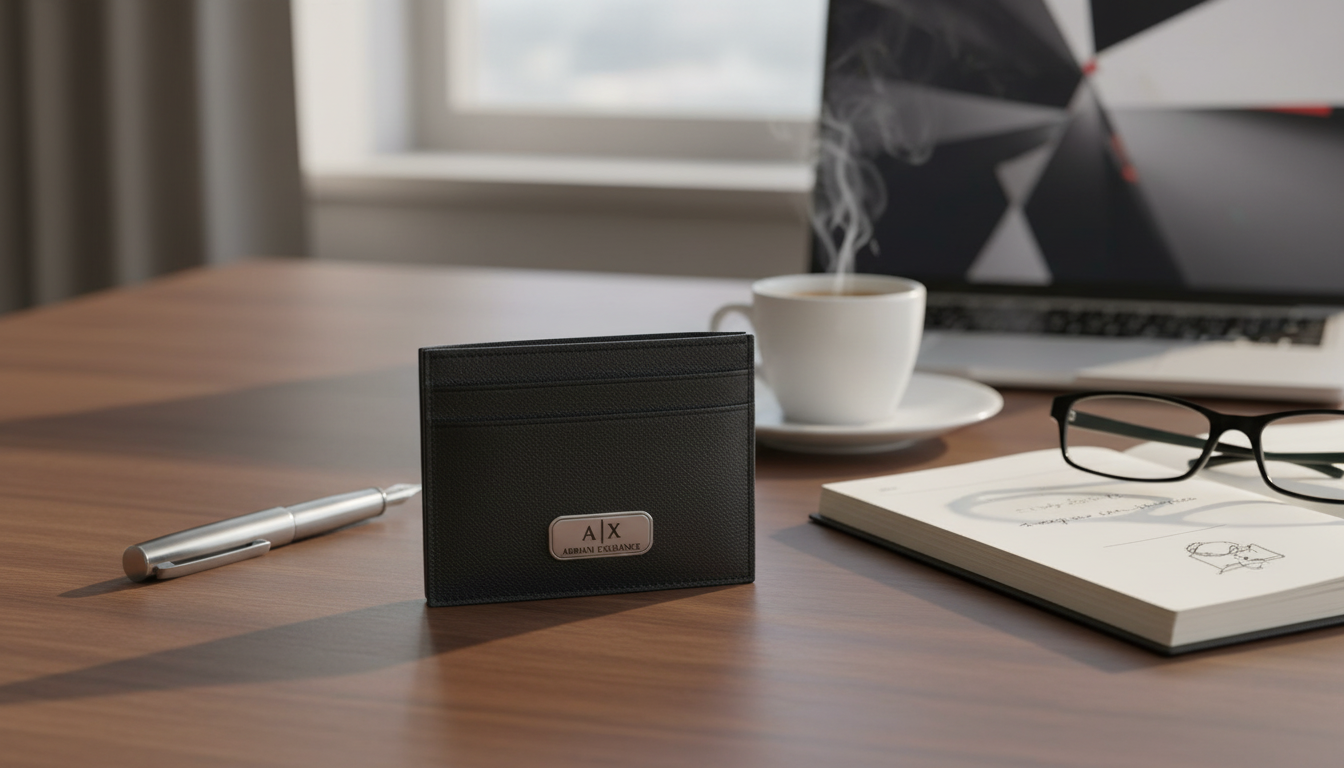
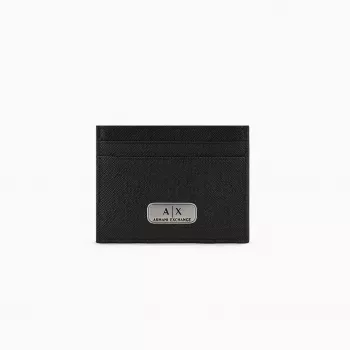
A leather wallet earns its keep when it stays slim in the pocket, keeps cards easy to access, and looks better the longer it’s used. The Armani Exchange Men’s Leather Wallet is built for daily rotation with a minimal, polished look that fits workdays, weekends, and travel without feeling bulky. For more guidance, see Armani Exchange Black Leather Crossbody Bag.
Leather is popular for everyday carry because it holds up to constant contact—pockets, counters, car consoles—while developing character over time. With regular use, many leather wallets take on a natural patina, subtly deepening in tone and smoothing at high-touch areas. Occasional conditioning helps prevent drying and surface cracking, especially in drier climates or if the wallet sits near heat sources (like a dashboard or radiator).
Construction details matter as much as the material. Clean stitching along edges and stress points—particularly around card slots and the fold line—helps reduce early fraying and seam splitting. Edges and seams also determine how “new” a wallet continues to look: a tidy edge finish can limit peeling and corner wear, keeping the silhouette crisp. Finally, a structured fold helps the wallet keep its shape as it breaks in, so it lies flatter and feels more consistent in-hand.
| Checkpoint | What to look for | Why it matters |
|---|---|---|
| Stitching | Even spacing, no loose threads | Reduces seam splitting with repeated opening/closing |
| Edges | Smooth, sealed edge paint or clean cut | Helps prevent peeling and corner wear |
| Fold line | Firm but flexible bend | Improves comfort while protecting structure |
| Interior lining | Neat alignment, no puckering | Helps card slots hold shape and avoid tearing |
The best wallet isn’t the one with the most storage—it’s the one that carries what’s needed without turning into a pocket brick. A comfortable everyday load is usually the cards actually used weekly plus one backup payment method. That might include an ID, a main credit card, a debit card, and one membership or transit card. The more “just in case” items added, the faster a slim wallet starts to feel bulky.
Overstuffing can also permanently change how the wallet carries. Packed card slots can stretch, loosening the grip that keeps cards secure. Rotating seldom-used cards to a separate holder (or leaving them in a secure place) helps keep the wallet slim and reduces wear on the tightest points. If cash is part of the routine, pay attention to how bills sit: the folding style and interior layout affect whether bills lie flat or end up creased and awkward to pull out at checkout.
For coins, a dedicated coin pocket adds noticeable thickness. Many people who prefer a minimalist profile keep coins in a separate pouch or simply rely on a pocket for occasional change—especially when the goal is a cleaner front-pocket carry.
A minimalist designer wallet earns its place because it pairs easily with almost anything. With business-casual outfits—think chinos, a dress shirt, and loafers—subtle accessories read as intentional and put-together. A clean leather wallet complements belts and watch straps without pulling attention away from the rest of the look.
It also works with streetwear basics like denim, tees, and sneakers by adding a slightly elevated touch. If the outfit leans relaxed, small upgrades (like refined leather goods) help create contrast without trying too hard. For an easy casual layer, a piece like the Men’s Casual Streetwear Denim Jacket – Loose Fit Hip Hop Style pairs well with minimalist accessories that keep the overall look clean.
Branding preference matters here. A wallet with understated designer details is best for anyone who likes recognizable finish and polish without loud patterns or oversized logos.
Leather care is simple when it’s consistent. A quick weekly wipe with a soft, dry cloth removes pocket lint and surface dust that can dull the finish. For small marks, a slightly damp cloth is usually enough—gentle pressure, no soaking.
A practical range for daily carry is usually 4–8 cards, depending on how tight the slots are when new. Overstuffing can stretch card slots over time, so rotate rarely used cards into a separate holder to keep the wallet slimmer and more secure.
Wipe it weekly with a soft, dry cloth, and use a slightly damp cloth for spot cleaning when needed. Condition occasionally with a small amount of leather conditioner, avoid heat and direct sun, and if it gets wet, let it air-dry naturally before conditioning lightly.
Yes—slim wallets are typically more comfortable in the front pocket and less likely to create a bulky outline. Keeping contents minimal also improves comfort and helps the wallet sit flatter and feel more secure.






Leave a comment