
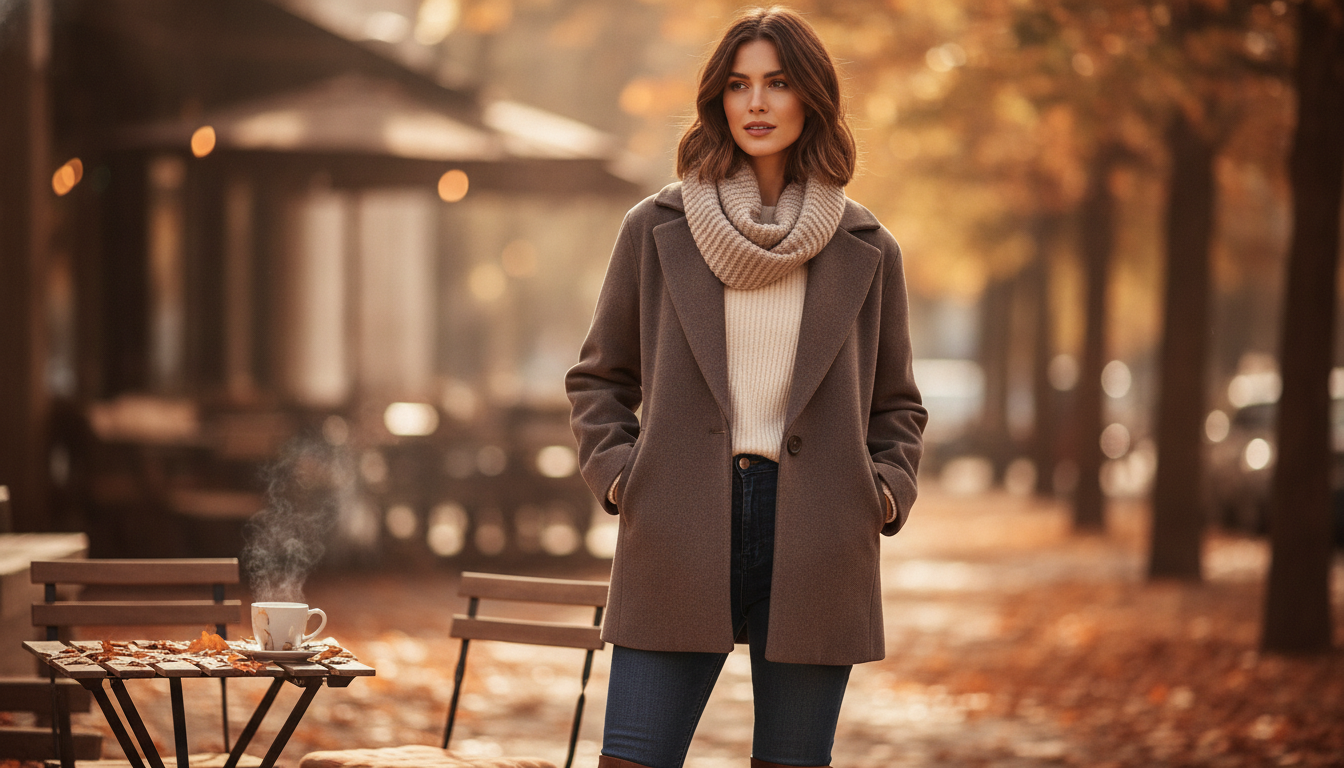
A tailored wool-blend jacket can bridge casual and polished outfits while adding warmth without the bulk of a heavy coat. This V-neck silhouette from Guess is designed for easy layering, clean lines, and versatile styling from workdays to weekends. If you like pieces that look finished the moment you throw them on, a structured jacket like the Guess Women’s V-Neck Wool Blend Jacket is the kind of “reach-for-it” layer that earns its place in a small rotation.
Wool is known for helping regulate temperature, which is why wool-blend outerwear can feel comfortable when your day moves between chilly sidewalks, heated offices, and breezy commutes. Blending wool with other fibers often adds durability and can reduce wrinkling, while still keeping that refined, “put-together” surface that makes a tailored jacket feel elevated.
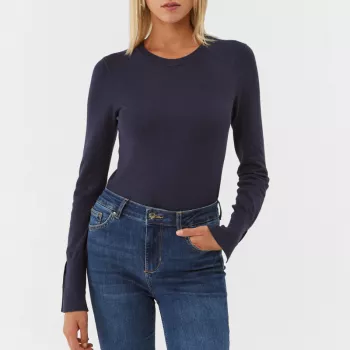
If skin sensitivity is a concern, the simplest fix is strategic layering: a smooth long-sleeve tee or a lightweight turtleneck underneath can reduce itch while maintaining warmth. And while wool tends to retain warmth better than many synthetics in damp conditions, a blend still benefits from smart care—dry it properly after drizzle days and store it in a way that protects its shape. For fiber-specific care basics, The Woolmark Company’s guidance is a reliable reference: https://www.woolmark.com/care/.
| Feature | Why it matters | Practical tip |
|---|---|---|
| Warmth-to-weight | Adds insulation without the bulk of a puffer | Layer over a thin knit to stay streamlined |
| Shape retention | Holds structure for a tailored look | Hang on a wide hanger to protect shoulders |
| Breathability | Helps prevent overheating indoors | Choose lighter layers underneath for commuting |
| Care considerations | Blends can be easier than pure wool but still delicate | Spot-clean quickly and follow the care label |
The V-neck opening frames the neckline and can visually elongate the torso, especially when worn open over a column of color (think black top + black pants, or cream knit + camel trousers). Because the jacket has a structured feel, fit details matter most at the shoulders: the shoulder seam should sit close to your natural shoulder edge, and you should be able to move your arms comfortably without the fabric pulling across the back.
For layering, aim for enough room to accommodate a thin sweater or long-sleeve top without strain at the chest. If you’re between sizes, decide how you’ll wear it most often: over lightweight tops for a truer, sharper fit, or over knits for a little more room and comfort.
Pair a structured jacket with tailored trousers or a pencil skirt and a lightweight knit for a clean, professional finish. The V-neckline leaves space for a simple necklace or a collared shirt without feeling crowded, and the overall look stays modern when accessories are minimal and intentional.
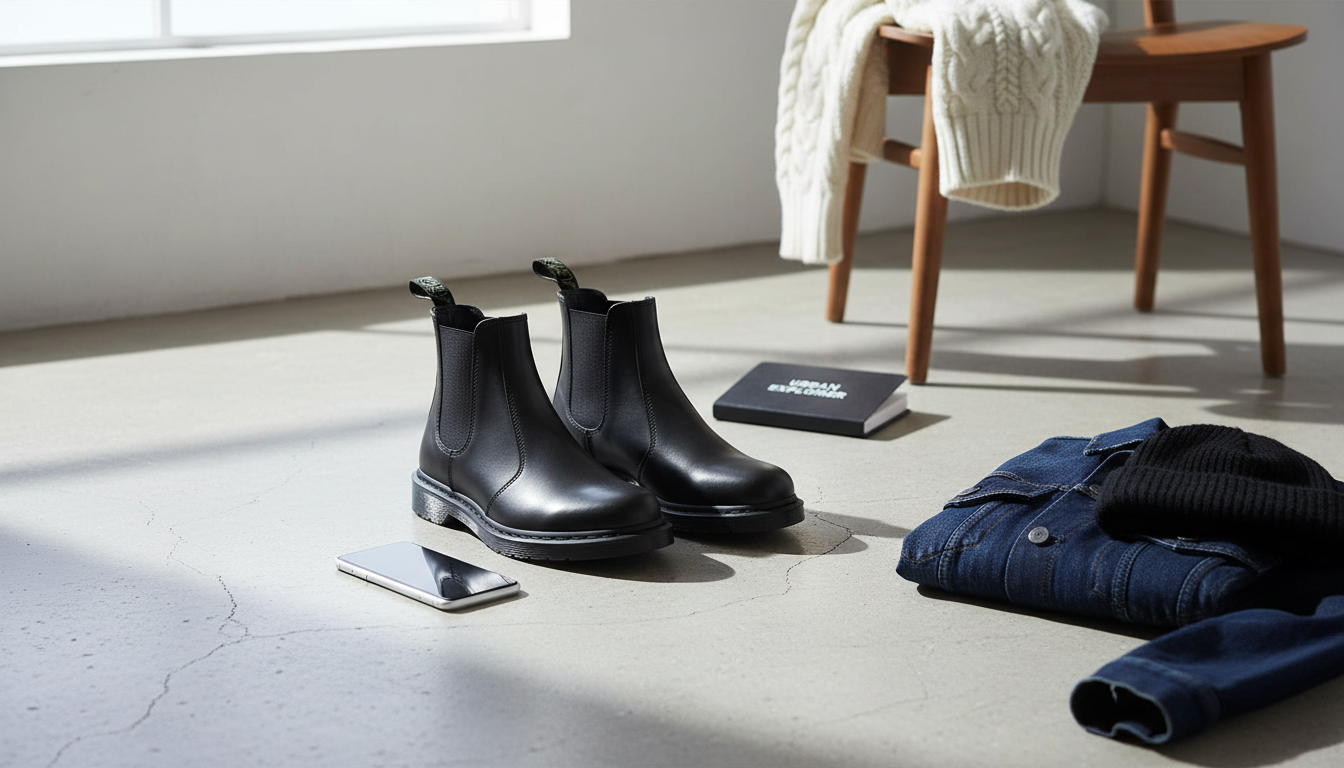
For an easy off-duty look, wear it with straight-leg jeans and ankle boots. Add a soft scarf for texture and warmth, keeping the palette neutral for maximum repeat wear. If you like a sporty-meets-tailored contrast, a streamlined top underneath keeps the outfit from feeling fussy—try the Nike Women’s Sleeveless Black Print Top with Round Neck as a base layer when temperatures allow.
Layer it over a fitted dress or a satin skirt for a sleek night-out vibe that still feels effortless. A compact bag and refined shoes do the heavy lifting; a small leather wristlet keeps it clean and functional—consider the Michael Kors Jet Set Travel Pebbled Leather Wristlet Wallet for a simple, elevated finish.
Neutrals and classic denim deliver the most mileage, while one accent color (shoe, bag, or lip) keeps outfits looking styled rather than accidental. The V-neckline also plays well with tonal dressing—matching top and bottom shades creates a longer line under the jacket.
Storage makes a visible difference for structured pieces. Choose a supportive, wider hanger to reduce shoulder dents, and avoid cramming it into an overstuffed closet where creasing can set. If pilling occurs, use a sweater shaver carefully and test in an inconspicuous area first. For a quick primer on what “wool” labeling means across products, the FTC’s overview is helpful: https://www.ftc.gov/legal-library/browse/rules/wool-products-labeling-act.
It can be, depending on the blend, lining, and how you layer it. In mild winter weather it may work as an outer layer, while in colder conditions it’s often best as a polished mid-layer under a heavier coat.
The shoulder seam should sit at your natural shoulder edge, and the jacket should close without pulling or creating tension lines across the chest or back. If you plan to wear thicker knits underneath, sizing up can improve comfort and mobility.
Check the care label first, then rely on spot-cleaning for small areas and airing it out between wears to reduce unnecessary washing. Use a lint roller or brush for surface maintenance, and choose professional cleaning when the label recommends it or when stains are set-in.






Leave a comment