
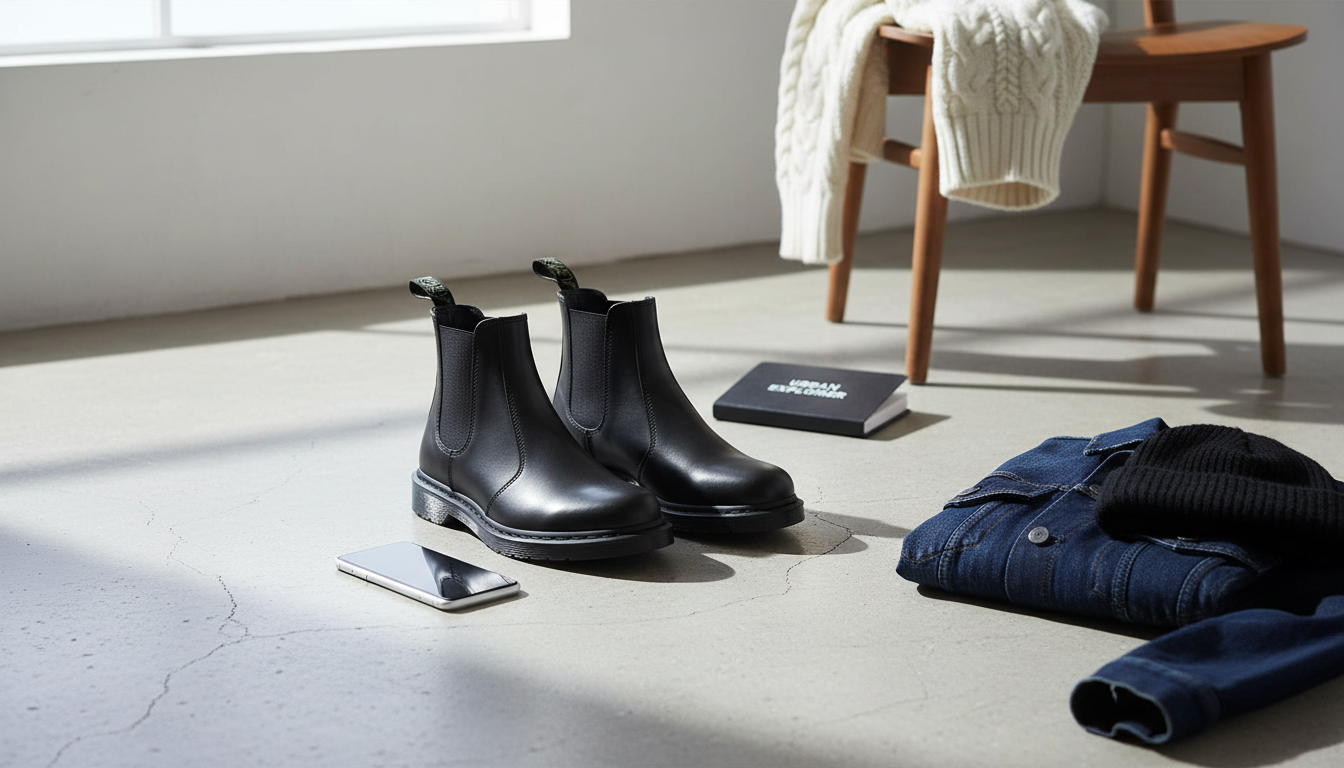
Dr. Martens men’s leather boots are known for sturdy construction, supportive underfoot feel, and an unmistakable silhouette that works across seasons. If you’re considering a black leather pair, the details that matter most are fit (especially through the instep and heel), what break-in will feel like, and how to keep the leather looking crisp without overdoing products. Below is a practical guide to choosing, wearing, and maintaining black leather boots so they stay comfortable and sharp for years. For more guidance, see Dr Martens Ironbridge Steel Toe Work Boots Mens Brown ….
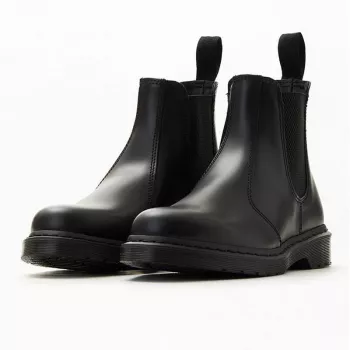
If you’re ready to shop, Dr. Martens Men’s Black Leather Boots are a strong starting point for an everyday black boot with recognizable character. For further reading, see Leather Dr Martens Uk Mens Shoes ….
Leather boots often feel structured at first. That’s normal: the upper tends to relax and shape to your foot as it warms and flexes with wear. The key is distinguishing “new boot stiffness” from true sizing problems.
| Checkpoint | What You Want | Red Flag |
|---|---|---|
| Toe space | A bit of room in front of the longest toe | Toe touches the front when standing |
| Heel hold | Secure with minor early slip possible | Heel lifts significantly with each step |
| Midfoot/instep | Snug but not painful; laces can adjust | Numbness, sharp pressure, or pinching |
| Ankle/shaft | Comfortable contact with socks | Rubbing that feels abrasive even when laced properly |
| Overall stance | Stable and balanced on both feet | One foot feels notably tighter or looser |
A thoughtful break-in routine helps the leather soften gradually while reducing friction. Plan on several shorter wears before expecting all-day comfort.
Black leather looks best when you do small, regular maintenance instead of occasional heavy “rescue” sessions.
For brand-specific care steps and product suggestions, Dr. Martens publishes a practical reference here: https://www.drmartens.com/us/en/guides/shoe-care. If leather sourcing and standards matter to you, the Leather Working Group provides background on auditing and environmental standards: https://www.leatherworkinggroup.com/about/.
For a casual warm-weather outfit that still feels pulled together, black boots can work with tailored shorts—pair them thoughtfully with a clean top and confident proportions, and consider Boss Men’s Black Cotton Shorts for an all-black base. If you want a lighter, low-profile alternative for travel days, D.a.t.e. Men’s Green Leather Shoes offer a different leather look while keeping a style-forward feel.
Fit varies by model, last, and foot shape, so “true to size” depends on how you need the toe box and instep to feel. Check toe space while standing, confirm heel hold (minor early slip can be normal), and always test sizing with the socks you plan to wear most.
Many people feel improvement after several wears, while a full break-in can take a couple of weeks depending on how often you wear them. Keep early sessions short, use thicker socks, and address hotspots right away instead of forcing all-day wear too soon.
Start by wiping away dirt, then apply a small amount of conditioner if the leather looks dry. Use black cream polish to blend scuffs and restore color, then brush or buff with a soft cloth to even out the finish.








Leave a comment