
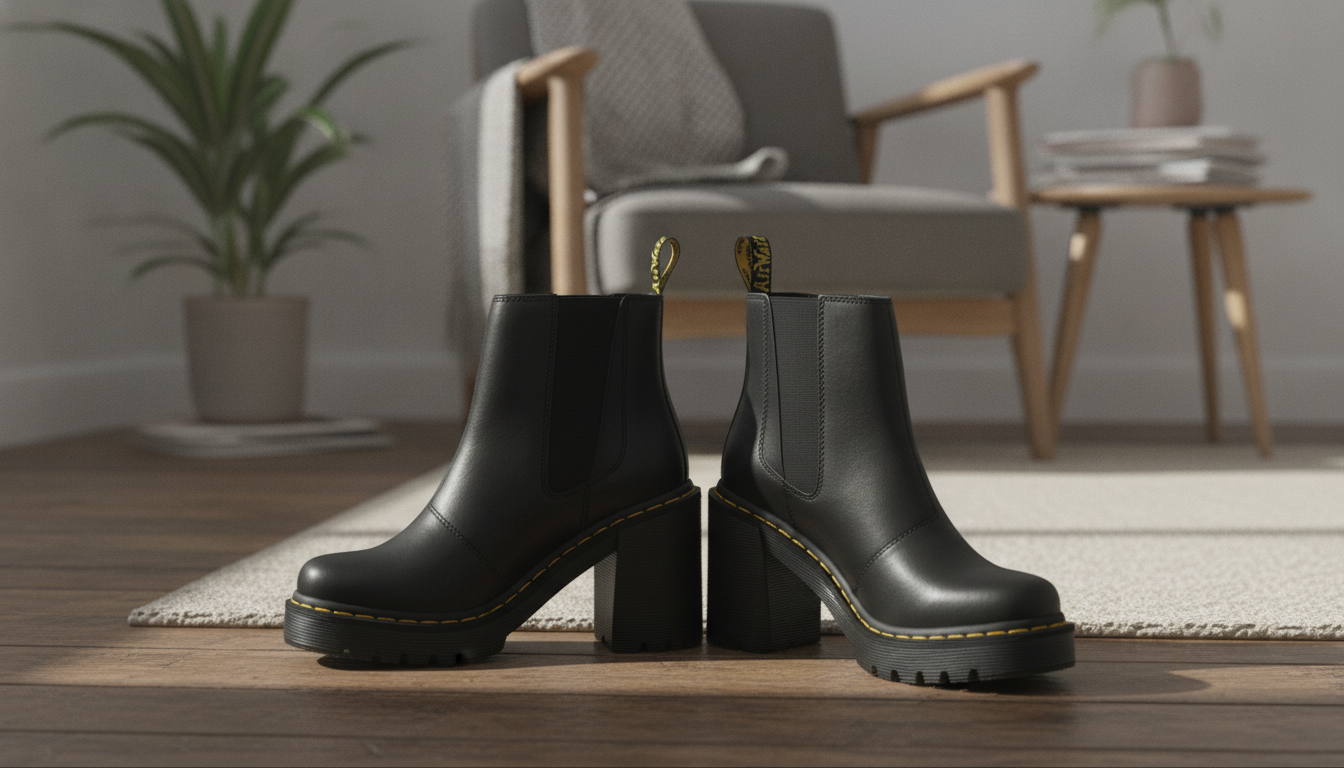
Leather ankle boots from Dr. Martens are known for their sturdy build, signature sole, and a break-in journey that pays off in long-term comfort. This guide covers what to expect from the materials and construction, how sizing typically works, how to style them across seasons, and how to keep the leather looking better with age.
If you’re shopping for a go-to pair, start with Dr. Martens Women’s Leather Ankle Boots—a practical option for frequent wear that still feels distinctive.
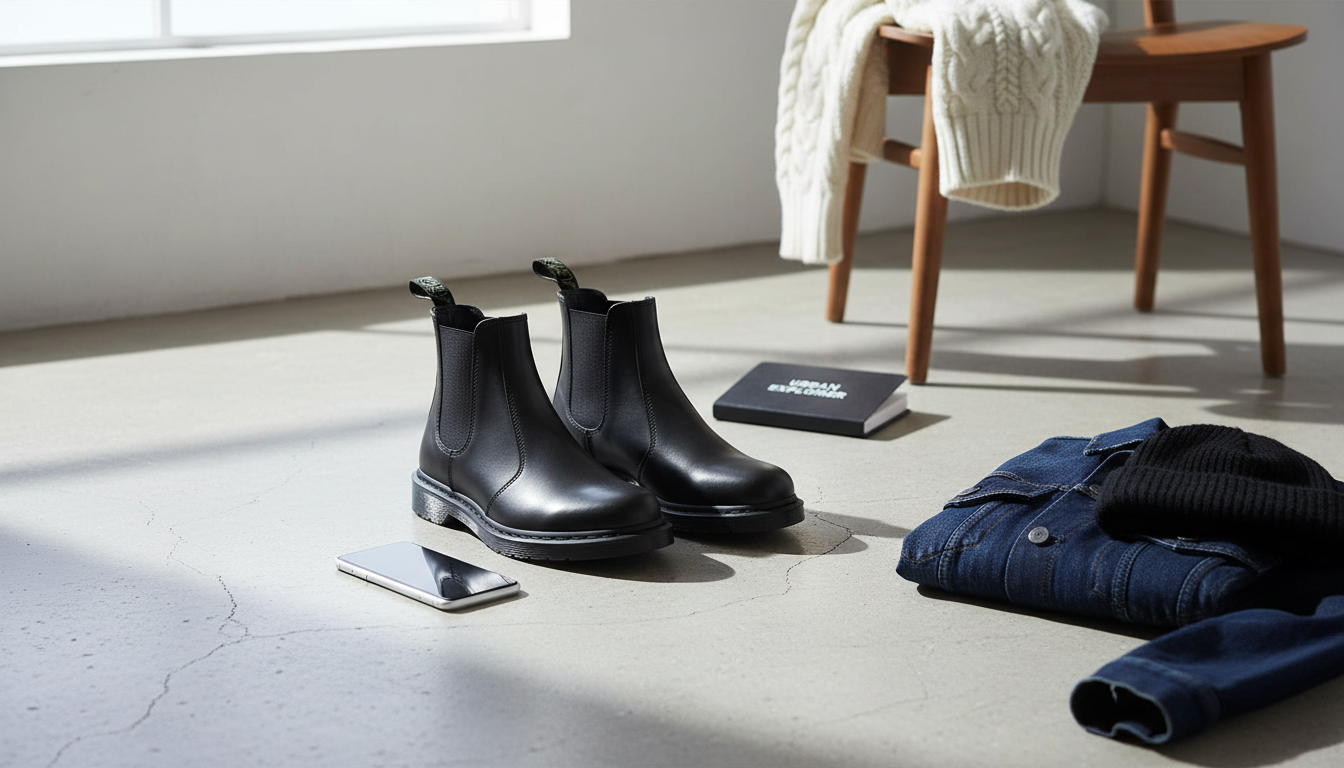
Dr. Martens women’s leather ankle boots have a recognizable “DNA” that tends to look intentional even with simple outfits. The chunky, air-cushioned sole adds height and visual weight, while the clean ankle-boot profile keeps the shape versatile enough for casual and smart-casual wear.
One of the biggest differences you’ll notice versus softer fashion boots is the structure. Leather uppers often start out firm and supportive, then gradually soften and mold to your foot. Over time, that break-in can create a more personalized fit—especially around the instep and ankle.
They’re also built for repeat wear. The traction-focused outsole and supportive shape make them a solid choice for commuting, walking-heavy days, and changing weather, without feeling too delicate to actually use.
Most Dr. Martens leather ankle boots use resilient uppers designed to handle scuffs better than many “dressy” leathers. That said, even tough leather benefits from routine conditioning to reduce dryness and minimize deep creasing. For brand-specific material details and care recommendations, it’s worth checking the Dr. Martens Official Site.
The welted sole construction is a major draw for durability and stability. The stitching and bonding around the welt are key stress points to monitor over time, especially if you wear the boots in wet conditions or frequently flex them while walking.
Comfort can vary by model depending on lining and footbed design. If you prefer more cushioning or need extra arch support, adding an insole is a straightforward upgrade—just factor that into sizing so you don’t end up with a tight instep.
| Area | What to watch for | Simple fix |
|---|---|---|
| Toe box | Surface scuffs and early creasing | Leather cream + gentle buffing; condition periodically |
| Heel collar | Rubbing during break-in | Thicker socks, heel grips, gradual wear-in |
| Outsole | Uneven tread wear | Rotate wear; consider a cobbler for early intervention |
| Welt seam | Loose stitching or separation | Keep clean/dry; cobbler repair if lifting occurs |
A common first impression is firmness. A snug instep and structured heel can feel “too stiff” at first, particularly with thicker leather, but that’s also part of what makes the boots feel supportive later on. The goal is secure heel placement without aggressive rubbing, plus enough toe room to wiggle comfortably.
Sock strategy matters more than many shoppers expect. Thick socks can cushion friction points during break-in, but they also take up volume—so if you plan to wear thick socks regularly (or add insoles), you may want a little extra room.
If you’re between sizes, decide based on your everyday use. A roomier fit is often better for colder months, insoles, or wider feet. A closer fit can look sleeker with cropped pants and lighter socks, but it shouldn’t pinch across the top of the foot. For general footwear fit guidance, resources like the American Podiatric Medical Association can help you evaluate whether your toe box and heel fit are truly appropriate.
Break-in is less about “toughing it out” and more about controlled, low-stress wears that let the leather flex gradually. Start with 30–60 minutes indoors for the first few sessions, then increase time over several days as the boot loosens where you need it.
Prevent friction early. If you feel rubbing at the heel collar or near the tongue edge, use heel grips, blister patches, or moleskin before irritation becomes a blister. Pairing thicker socks with a snug lace-up can also stabilize your heel and reduce sliding.
Conditioning can help leather flex more comfortably, but keep it light and compatible with the finish. A good baseline is to treat leather like skin: protect it from drying out rather than trying to “force” softness overnight. Avoid soaking the boots or using aggressive heat methods (like hair dryers) that can damage leather and weaken adhesives. For broader best practices around responsible leather and care education, the Leather Working Group is a helpful reference point.
If you want to build a small, functional look around the boots, a streamlined accessory like the Michael Kors Jet Set Travel Pebbled Leather Wristlet Wallet can keep the outfit polished without competing with the footwear’s bold profile.
Fit can vary by model and foot shape, but many people notice a firm, structured feel at first. If you’re between sizes, decide based on whether you plan to wear thick socks or add an insole (roomier) versus wearing thinner socks for a sleeker fit (closer), while still keeping toe wiggle room.
Expect anywhere from a few days to a couple of weeks depending on how often you wear them and how thick the leather is. Gradual wear, friction protection (heel grips or blister patches), and avoiding harsh shortcuts usually get you comfortable faster with less irritation.
Wipe off moisture and residue as soon as you can with a damp cloth, then let the boots dry naturally away from direct heat. Once fully dry, condition the leather if it feels tight or dry, and consider applying a protector—winter salt usually needs extra quick cleanup to prevent staining.






Leave a comment